The music
Rooftop opera arias, explained
Seven arias and duets from the organiser's sample programme at Palazzo Pamphilj, each placed in its opera, so you know the story when the singing starts.
Reserve a place on the roof ↗Quick answer
The organiser's sample programme for the rooftop opera names seven pieces by Puccini, Verdi, Rossini and Leoncavallo. Two come from Tosca, which opened in Rome in 1900, and the rest from Rigoletto, La bohème, Pagliacci, a Rossini opera first written for Paris, and a famous drinking song by Verdi. The programme is subject to change, so this is a guide to the repertoire, not a running order.
How to use this guide
The rooftop programme draws on famous arias and duets, each introduced in English first. The organiser publishes a sample and says the programme is subject to change, so the pieces on your night may differ. Read the notes below as a map of the repertoire. Knowing who is singing, and in which moment of which story, makes each piece easier to hear, and none of it is required.
Four composers, one evening
Puccini, born in Lucca in 1858, is widely regarded as the most successful Italian opera composer after Verdi. Verdi, born in 1813 near Busseto and dead in Milan in 1901, came to dominate Italian opera after Rossini, Bellini and Donizetti. Rossini was born in Pesaro in 1792 and died in Paris in 1868, and he wrote his last opera in 1829. Leoncavallo, born in Naples in 1857, is best known for Pagliacci. Together they span more than a century of Italian opera, so one evening gives you a short history.
E lucevan le stelle
A tenor aria from the third act of Puccini's Tosca. The painter Cavaradossi is in his cell, writing a letter to Tosca shortly before his execution. Tosca was first staged at Rome's Teatro Costanzi on 14 January 1900, from a play by Victorien Sardou, and the third act is set at Castel Sant'Angelo, which is among the sights you can name from the roof.
Vissi d'arte
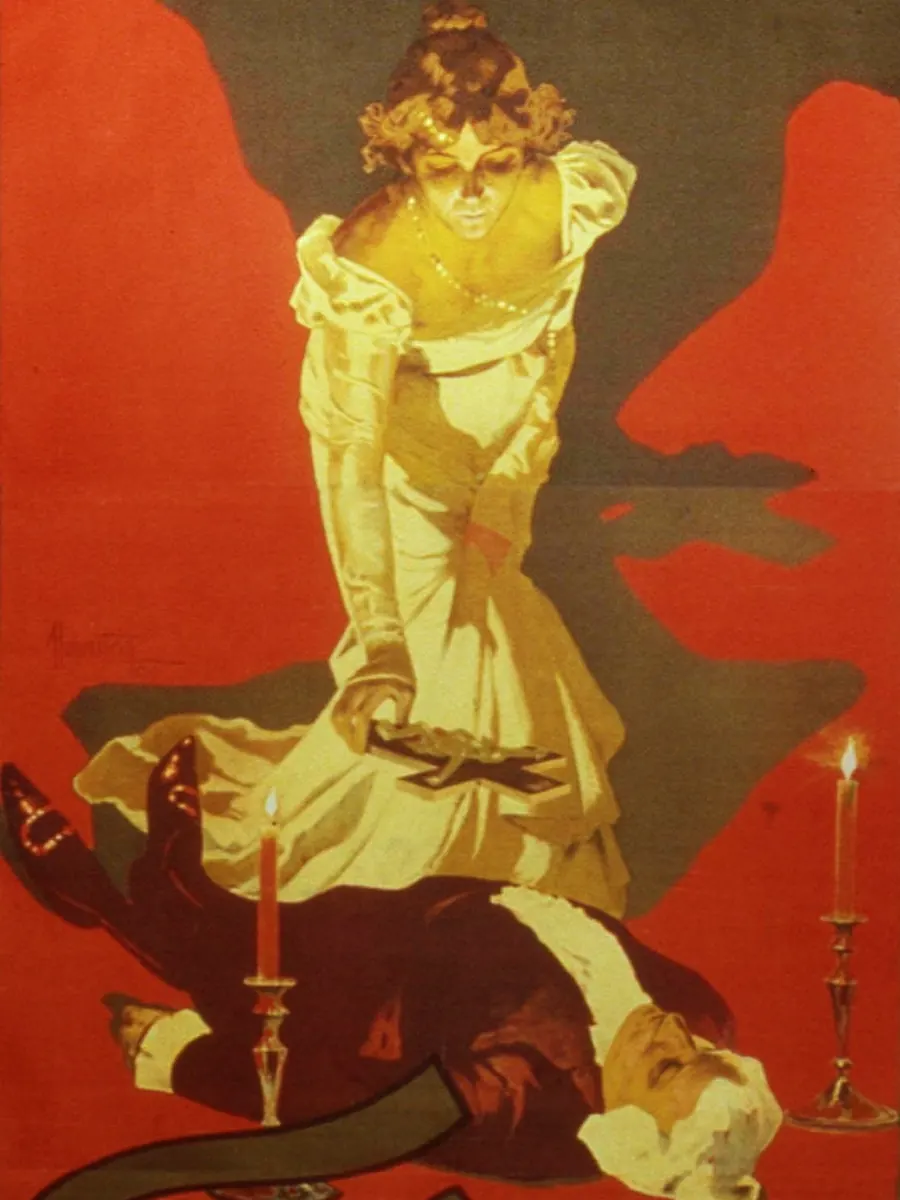
Also from Tosca, but from the second act and sung by the heroine. In Scarpia's apartment in the Palazzo Farnese, he presses her to give in to him in exchange for Cavaradossi's freedom, and she prays. Its title means roughly I lived for art, and it is a soprano's showpiece. The ticket's sample list gives a different opera for this piece, but it belongs to Tosca.
La donna è mobile
Verdi's Rigoletto was first staged at Venice's La Fenice on 11 March 1851, based on Victor Hugo's play Le roi s'amuse. The Duke of Mantua sings this tune in the third act, at Sparafucile's house. Its title means woman is fickle. It is a light, catchy tune set against a dark story, and it is probably the piece in the programme you already know.
O soave fanciulla
The love duet that comes near the end of the first act of La bohème, Puccini's opera of 1896, first staged at the Teatro Regio in Turin. Rodolfo and Mimì have met in the dark in a garret. When he sees her in the moonlight, they realise they have fallen in love. It is a duet for tenor and soprano, which suits a programme built around a tenor and a soprano.
Giusto ciel
A piece from Rossini's L'assedio di Corinto, the Italian version of an opera first written in French as Le siège de Corinthe and premiered at the Paris Opéra on 9 October 1826. The Italian translation by Calisto Bassi was first performed in Parma on 26 January 1828. Rossini had reworked an earlier Italian opera, Maometto II, from Naples in 1820. It is the less familiar piece on the list, so the introduction helps most here.
Vesti la giubba
From Leoncavallo's Pagliacci, premiered at the Teatro Dal Verme in Milan on 21 May 1892 and written in the verismo style. Canio, the troupe's leader, sings it in the first act, alone, after Silvio escapes, as he prepares for the performance. The title means put on the costume. It is a tenor's great scene of grief hidden under greasepaint.
Libiamo nei lieti calici
A brindisi, or drinking song, from Verdi's 1853 opera based on Dumas fils's La Dame aux Camélias, with a libretto by Francesco Maria Piave. It comes in the first act at a late-night party, begins with the tenor and is joined by the soprano and the company. On a rooftop with a glass in your hand, it fits the toast with the artists that closes the evening.
Frequently asked questions
Is the programme the same every night?
No. The organiser says the programme is subject to change and publishes only a sample.
Which piece premiered in Rome?
Puccini's Tosca, the source of two arias in this sample, first staged at Rome's Teatro Costanzi on 14 January 1900.
Do I need to know the stories?
No. Each piece is introduced in English, and this guide is background for anyone who wants it.
Is the music in Italian?
Yes. The singers perform arias and duets from Italian opera.
Sources
- Opera Omnia Events: Rooftop Bar Opera Show, The Great Beauty in Rome
- Libiamo ne' lieti calici, English Wikipedia article
- Pagliacci, English Wikipedia article
- Tosca, English Wikipedia article
- Le siège de Corinthe, English Wikipedia article
- Rigoletto, English Wikipedia article
- La bohème, English Wikipedia article